Shop by category
Handcrafted ceramics for every moment — explore our full range.
Explore workshops
Discover the joy of handcrafted ceramics — a creative experience you won't forget.
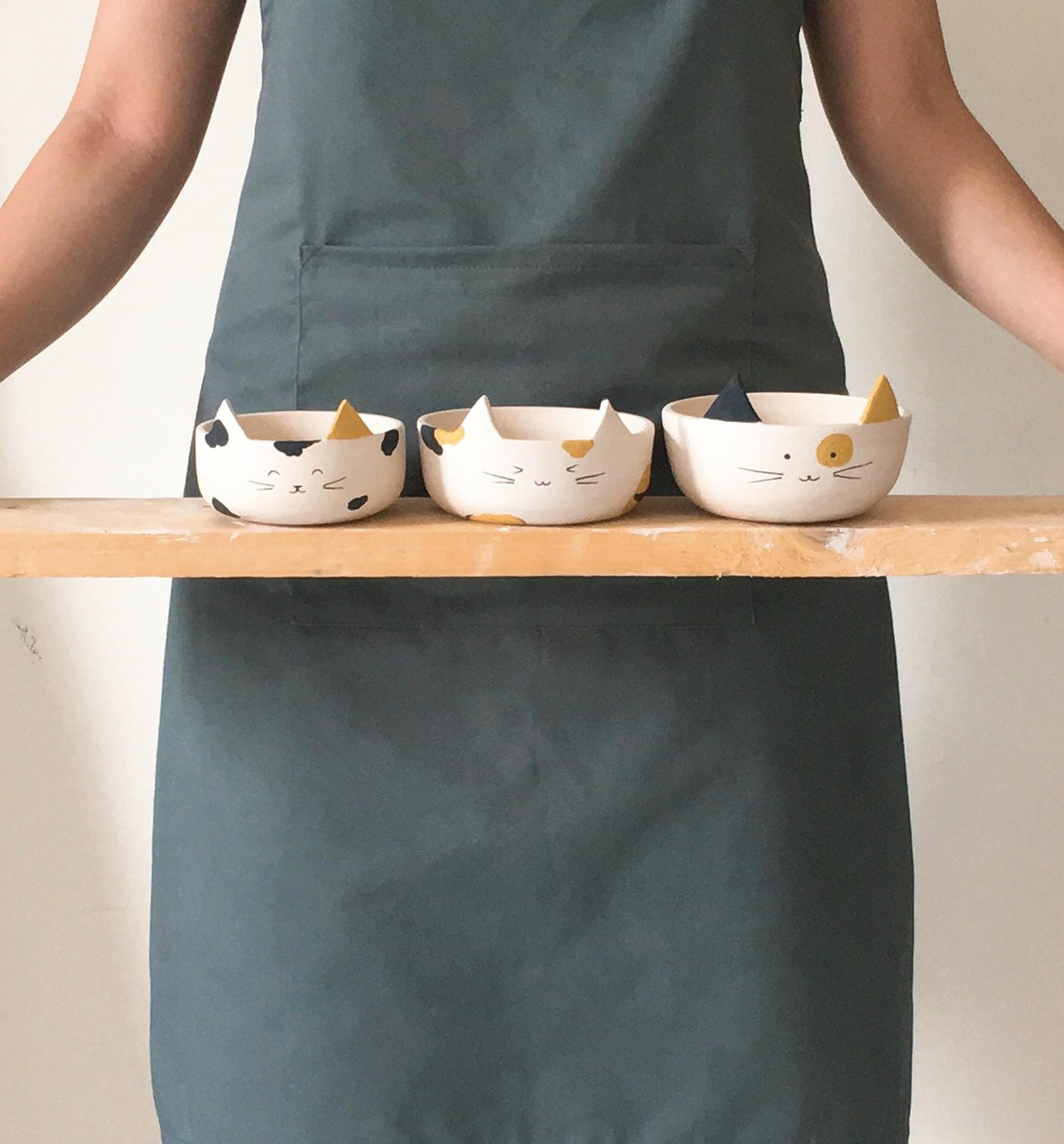
About Bacera
Bacera Pottery Studio — where craftsmanship meets soul.
From the studio
Tips, inspiration, and stories from our potters and makers.
Say hello
We'd love to hear from you — questions, custom orders, or just a chat about ceramics.
From clay to ceramic
Eight steps.
One timeless craft.
Each Bacera piece passes through many hands and many hours before it reaches yours. Here we open every door of our studio — from raw earth to finished form.
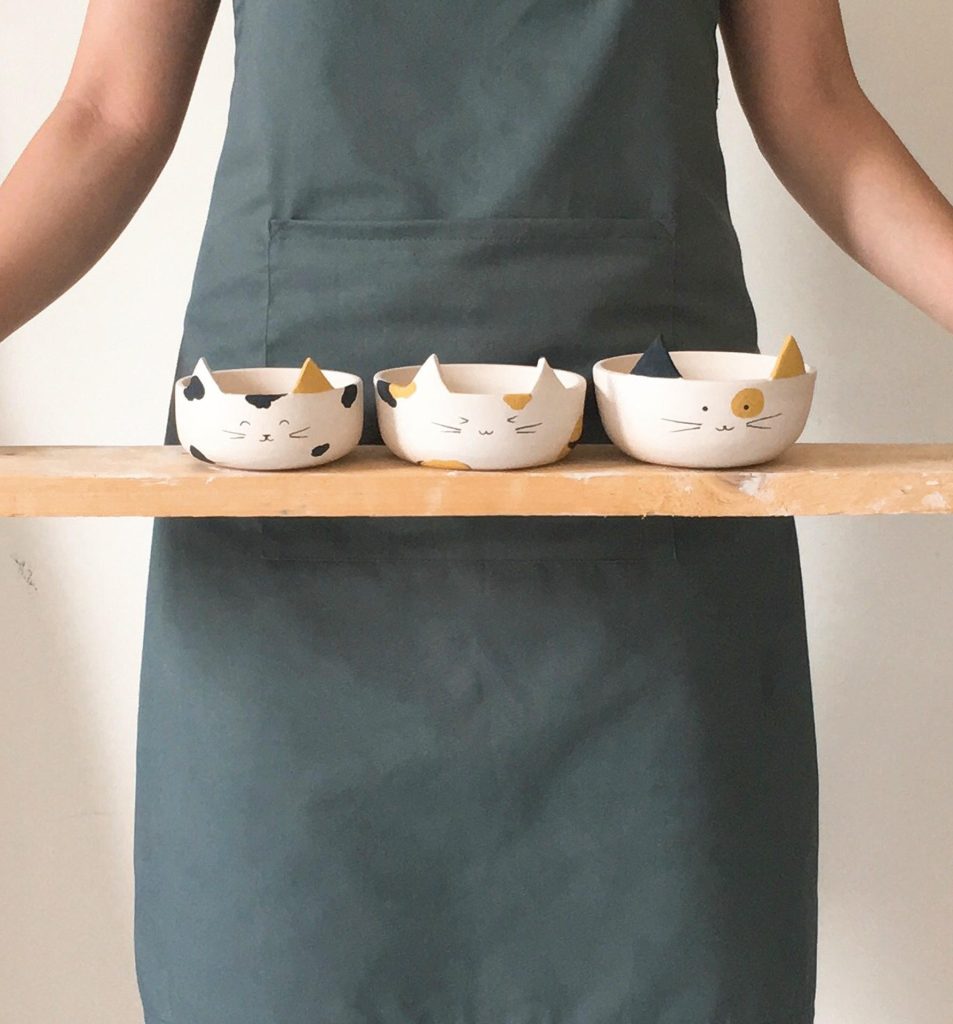
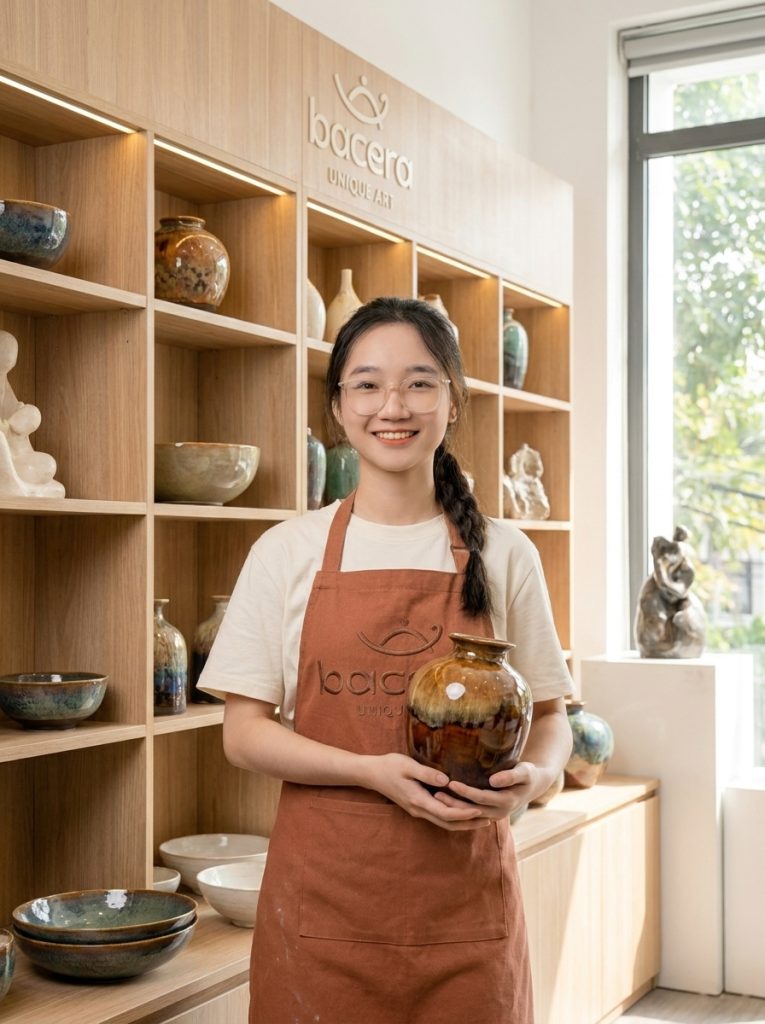

Clay Selection
The earth speaks first.
We source stoneware and porcelain clays from trusted Vietnamese quarries. Each batch is tested for plasticity, shrinkage, and mineral content before it enters our studio. The right clay is the foundation of everything.
Clay is never just dirt. Different clay bodies behave differently in the kiln, respond differently to the wheel, and accept glazes in their own way. We select each type for its intended use.
Wedging
Remove every air bubble.
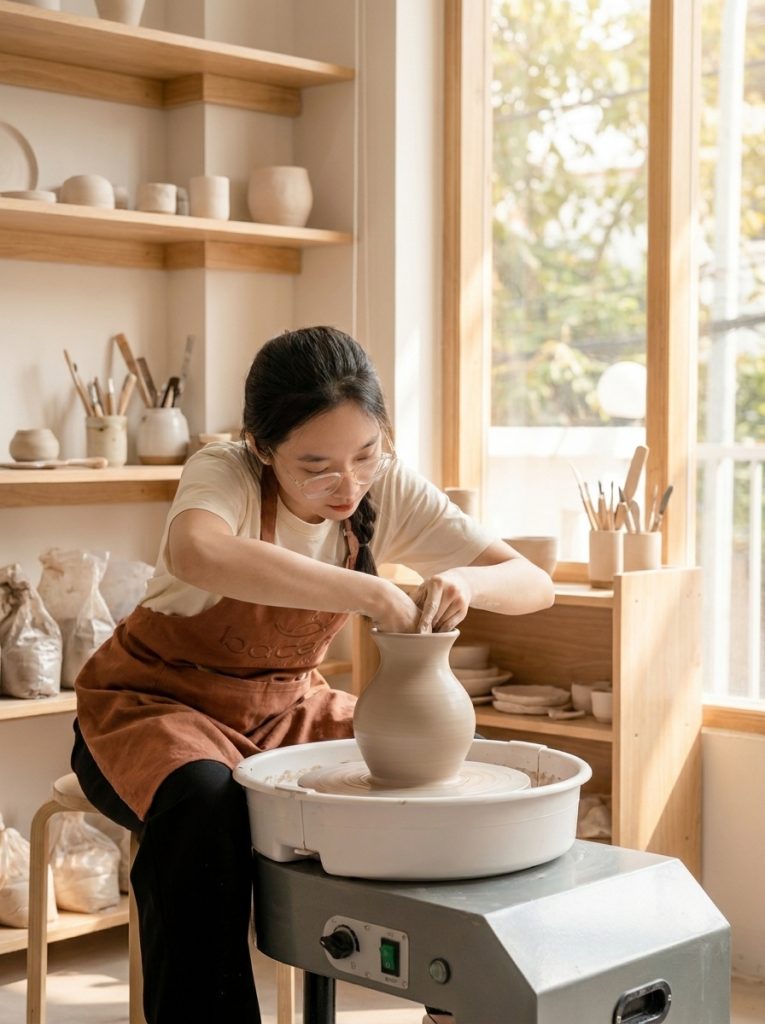
Before any clay touches the wheel, it must be wedged — a process of rhythmically pressing and folding the clay to remove air pockets. Air bubbles left inside can cause cracks or even explosions in the kiln.
Wedging is meditative and physical. A seasoned potter can feel when the clay is ready — it takes on a silky, uniform resistance. We typically wedge 5–10 minutes per piece of clay.
Throwing on the Wheel
Where form is born.
The pottery wheel is the heartbeat of our studio. Clay is centred, opened, and pulled up into form using water and careful pressure. Every motion counts — too much and the wall collapses, too little and the form won't rise.
Throwing is the most skill-intensive step. Our artisans have years of muscle memory. What looks effortless is the result of thousands of hours. Each piece is thrown one at a time, by one person.
Trimming & Refining
The quiet discipline of subtraction.
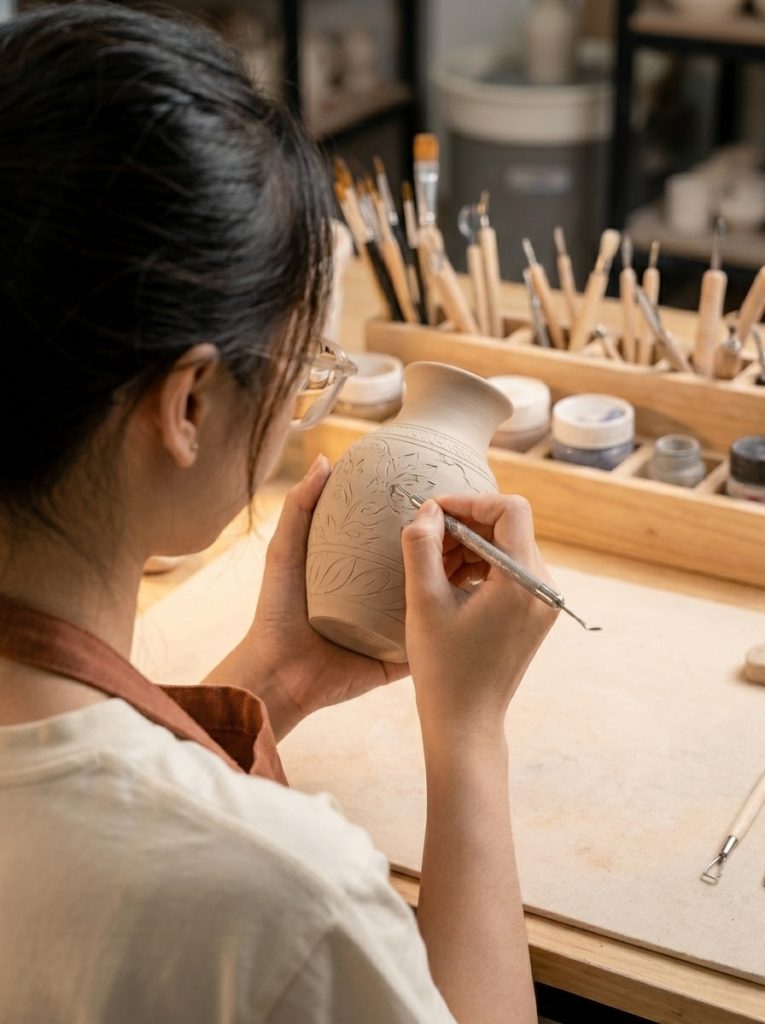
Once leather-hard (partially dry), each piece is trimmed on the wheel to refine its profile, thin the walls evenly, and carve the foot ring at its base. This defines how the piece sits and feels in the hand.
Trimming requires the same attention as throwing, but in reverse — you're removing clay rather than building. The foot ring is a signature: in ceramics, you can often identify the maker's hand from the foot alone.
Bisque Firing
Clay becomes ceramic.
Bone-dry pieces are loaded into the kiln and fired to around 1000°C. This first firing — called bisque — transforms raw clay into porous ceramic. The piece is now permanent but still unglazed and fragile.
The kiln rises slowly: too fast and the remaining moisture creates steam that cracks the piece. Bisque firings take 8–12 hours in the kiln, then cool slowly overnight before the door is opened.
Glazing
The piece finds its voice.
Bisqueware is dipped, poured, or brushed with our house-made glazes — all natural mineral recipes developed in-studio. Glaze is applied with intention: thickness determines colour depth, flow and texture.
Glazing is chemistry and intuition combined. Our glazes are made from feldspar, wood ash, silica, and natural colourants. We maintain a library of over 40 unique glaze recipes developed over years of studio testing.
Glaze Firing
Fire does the final work.
Glazed pieces are fired a second time, now to 1220–1280°C — high-fire stoneware temperatures. The glaze melts, flows, and fuses permanently to the clay body. Each piece emerges unique from the heat.
This is the moment of mystery. We load the kiln with care but accept that the fire has its own will. Some glazes shift colour under heat. Surfaces that appeared uniform can develop texture, pools, or movement.
Finishing & Release
Ready to be lived with.
Each cooled piece is unloaded from the kiln, inspected, and its foot ground smooth. We test food safety, water tightness, and structural soundness. Only pieces that meet our standards are released.
We reject more than most people expect. A crack that appeared in the drying, a glaze crawl, a foot that's slightly off — these send a piece to the seconds shelf or back to clay. The ones that make it are right.
Live the process
Now try it
with your own hands.
Join one of our workshops and experience the craft first-hand.